
Custom AIAUDIO AI & DIAGNOSTICS
Sound Analyzer
Hear the signals that matter.
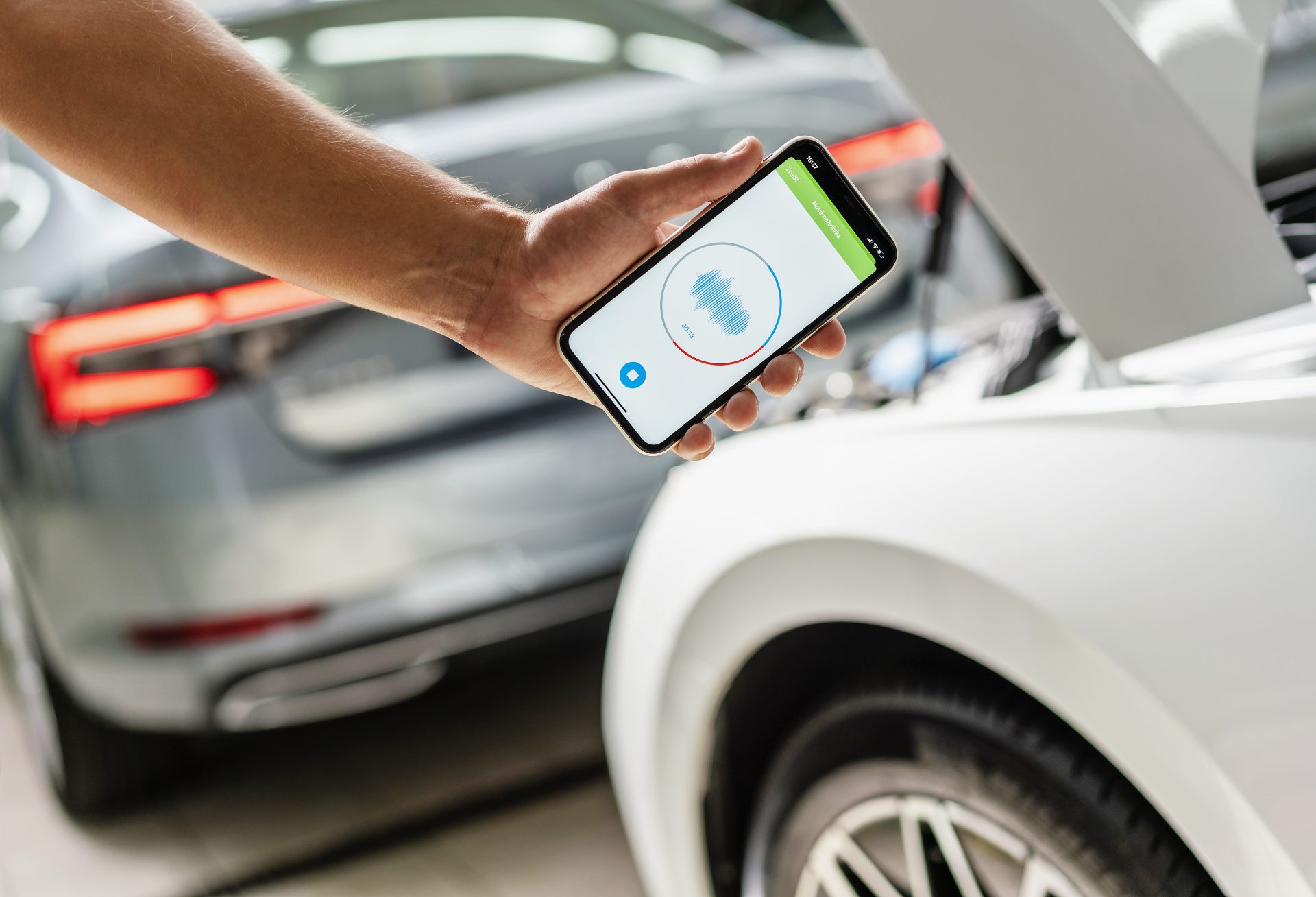
Use recorded sound to support diagnostics and maintenance. Sound Analyzer uses machine learning to compare new recordings with known sound patterns, giving technicians another source of diagnostic information.
Custom solution
PURPOSE-BUILT CAPABILITIES
What the application does.
Build the recording and analysis workflow around the equipment and sounds you need to assess.
Recording workflows using a smartphone or tablet
Machine-learning analysis of sound patterns
Diagnostic context for technicians
Published automotive use case with Škoda Auto
HOW IT WORKS
From setup to everyday use.
01
Capture a useful sample
Define a repeatable recording process for the equipment and operating condition.
02
Compare learned patterns
Analyze the recording using a model trained for the agreed diagnostic classes.
03
Support the next step
Present the result so a technician can assess it alongside other diagnostic information.
Recording and device requirements.
- A project-specific audio and software solution, not an Axis/Hanwha camera trial app.
- The published automotive implementation uses mobile recording and Microsoft Azure services.
- Model coverage and diagnostic performance depend on the equipment, recording process and training data.
INSTALLATION & SETUP
How to get started.
Define the equipment, sound classes and diagnostic goal.
Collect representative labeled recordings under a repeatable process.
Train and evaluate with separate validation data.
Integrate the recording and review workflow, then validate with technicians.
FAQ
Questions before you start.
Tell us about the equipment and sounds you need to analyse. We’ll discuss recordings, data and the intended diagnostic task.
Does it diagnose any machine from any recording?
No. Useful classification depends on relevant training data, defined conditions and an appropriate recording workflow.
Is the published automotive result a promise for my project?
No. It is a historical customer use case. We agree and measure acceptance criteria for each new application.
Discuss your audio analysis project.
Tell us what you need to diagnose and which recordings are available.